
At a Glance
This article examines how reduced daylight in winter can trigger Seasonal Affective Disorder (SAD), affecting your mood, energy, and well-being. Drawing from clinical experience and personal adaptation, it explains the biological basis of light deprivation, practical coping methods such as light exposure and mindful nature connection, and the role of acceptance and compassion in recovery.
Don’t Let Winter Rob You of Your Sunshine
Growing up in the Mediterranean, I was surrounded by warmth, sunlight, and the sound of the sea. Later, I spent a few years living in Hawaii, where that same easy pace and connection to the ocean felt instantly familiar.
When I eventually moved to England, I wasn’t prepared for how deeply the change in weather would affect me. The first winter caught me off guard, the short days, the heavy clouds, the dampness that seemed to settle into everything. I remember driving to work in the dark and returning home in the same dim light, feeling as though my energy and enthusiasm had quietly faded with the sun.
The days were short, with the sun rising near 8 a.m. and setting by 3:30 p.m., and even in those brief hours, the sky was usually heavy with clouds, rain, or snow. As a psychologist, I often see how these long, dark winters can affect mood and energy levels. It made me wonder if feeling low during winter was common — and in fact 1 in 20 people, or approximately 2 million, are diagnosed with seasonal affective disorder anxiety in the UK. When we include the undiagnosed or misdiagnosed cases, the real number is much more likely to be higher.
It took time, compassion, and a lot of adjustment to recognise I was dealing with seasonal affective disorder. I realised that what I was experiencing wasn’t a lack of resilience, it was a real biological and emotional response to reduced light exposure. Over time, I came to understand more about how light, nature, and mindful living could help soften winter’s impact, both in my own life and in the lives of many people I support in therapy.
I’m Dr Sonney Gullu-McPhee, a Chartered Clinical Psychologist with advanced postdoctoral training in Schema Therapy and Compassion-Focused Therapy. In this blog, I’ll explore how changing seasons and reduced daylight can affect our mood, what helps us cope more effectively, and how we can find warmth and balance during the darker months. Together, we’ll look at the emotional and biological needs that light and connection nourish, and how to maintain steadiness and self-compassion when the weather weighs us down.
Seasonal Affective Disorder (SAD): When Darkness Affects Mood
Seasonal Affective Disorder (SAD) is a form of depression that follows a seasonal pattern, most often appearing in autumn and winter when daylight is limited. It can bring low mood, fatigue, oversleeping, a sudden craving for carbohydrates, and a sense of emotional heaviness or disconnection.
For some people, these symptoms are mild; for others, they can be deeply disruptive, affecting work, relationships, and overall well-being. The symptoms usually lift as spring returns, but while you’re in it, the winter can feel endless.
So, what is the cause behind seasonal affective disorder?
Why the Lack of Light Matters
Sunlight is vital for emotional balance. It helps regulate our circadian rhythm, the body’s internal clock and influences the production of serotonin (which supports mood) and melatonin (which regulates sleep).
When sunlight decreases, serotonin levels drop and melatonin rises, creating a cycle of low mood, tiredness, and disrupted sleep. Combine that with the social isolation and reduced outdoor activity due to the holiday season or extreme weather conditions, and it’s no surprise that our mental health can take a hit.
In a country like England, where days can feel grey for weeks on end, the impact of this light deprivation can be profound, even for those who haven’t experienced it before.
What Helped Me and What May Help You
Now, this might make you wonder, what helps seasonal affective disorder?
I will share my experience of dealing with seasonal affective disorder, hoping that it helps others navigate the winter blues. The first step is acceptance.
Accepting the External Darkness and Embracing the Inner Light
When I first arrived in the UK, I knew I couldn’t change the weather, but I could change how I related to it. One of the first things I did was buy a good pair of wellies and a warm, waterproof coat. I made a promise to myself: even when it was cold, wet, or windy, I would still go outside.
At first, it felt like an act of defiance, refusing to let the rain win. But over time, those walks became something deeper: an act of mindfulness and acceptance. I noticed the quiet beauty of the English countryside, the earthy smell of damp leaves, the rhythm of raindrops on branches, and the mist rising from the ground after rainfall.
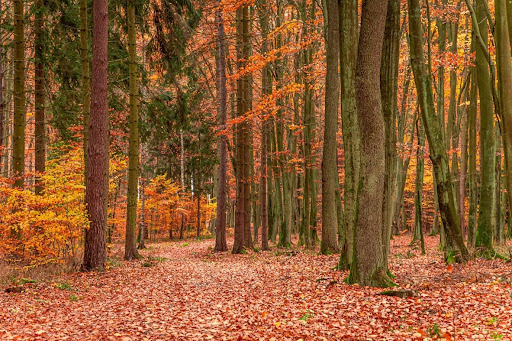
I would walk through the forest near my home, feeling the breeze on my face and listening to the soft sounds of nature. The experience became grounding. I turned my mindfulness skills inward and outward, observing my breath, noticing my steps, and allowing the cold air to wake my senses. I realised that while the external world was darker, I could still cultivate lightness and warmth within myself.
Over time, these small shifts helped me adapt, and they’re practices I often share with my clients who struggle with the seasonal changes.
The Power of Morning Light
Light has a profound effect on our brain and mood. Morning light helps regulate our circadian rhythm, the body’s internal clock that governs sleep, hormones, and energy levels. When we’re exposed to bright light soon after waking, serotonin levels rise, melatonin (our sleep hormone) decreases, and our mood naturally lifts.
Studies have found that even 15–30 minutes of morning light can improve energy, focus, and mood. Light therapy lamps designed to mimic natural daylight have also been shown to reduce depressive symptoms in Seasonal Affective Disorder, and even non-seasonal depression.
Interestingly, it’s yellow and white-spectrum light, not just blue light, that seems to stimulate wakefulness and balance emotional rhythms. Researchers at Harvard and Stanford have noted that early light exposure signals the brain’s “daytime mode” and helps improve alertness and emotional regulation throughout the day.
For me, stepping outside within the first hour of waking became a quiet ritual. Even on cloudy days, I’d stand by the garden or open a window, letting the cool air and pale light reach my face, a small act that reminds the body it’s daytime.
Forest Bathing and the Healing Power of Nature
Another powerful practice that supported me when I was feeling low during winter was connecting with nature, especially through mindful walking, something the Japanese call shinrin-yoku, or forest bathing.
Forest bathing isn’t about hiking or exercise; it’s about being fully present in nature, noticing the colours, textures, sounds, and sensations around you. Research shows that spending time in forests can reduce cortisol (stress hormone) levels, lower blood pressure, and activate the parasympathetic nervous system, the body’s natural calming system.
Studies from Japan and South Korea have also found that regular forest exposure increases natural killer (NK) cell activity, boosts the immune system, and enhances overall well-being. Even brief visits of two hours per week in nature can significantly improve mood and cognitive function.
On my own walks, I began to understand why. When I slowed down and really listened to the crunch of leaves, the distant call of a bird, the quiet rhythm of my breath, something softened. The world felt steadier, and I did too. The forest didn’t ask me to be productive or upbeat; it simply invited me to be present.
That shift from resistance to acceptance became one of the most healing aspects of adjusting to life in England.
Radical Acceptance and Compassion
One of the hardest lessons I had to learn was radical acceptance, not fighting the dark months, but allowing them to be part of life’s natural cycle. Acceptance doesn’t mean liking the rain or the cold, but softening around them, recognising that resistance only adds to suffering.
Now, when the skies turn grey, I remind myself that this too is a season, a time for reflection, stillness, and rest. The trees are quiet, the earth is renewing, and in a way, so can we.
If you find yourself struggling through winter, know that you are not alone and that small, consistent acts of self-care and compassion can make a profound difference. The light always returns, both outside and within.
Finding Support for Dealing with Winter Blues
Looking for answers on how to treat seasonal affective disorder? Those struggling to cope with seasonal affective disorder and anxiety, know that there is help available. I am an HCPC & BPS Registered Chartered Clinical Psychologist and ISST Certified Advanced Schema Therapist. I offer Winter Depression Therapy in Hampshire, both online and in person.
Whether you’re experiencing Seasonal Affective Disorder (SAD) or simply finding the darker months hard to manage, therapy can help you understand the patterns behind your mood changes, reconnect with balance, and build emotional resilience. The winter isolation can be even more difficult for those suffering from trauma, grief or postpartum depression. Your already vulnerable position gets aggravated with seasonal changes, making it difficult to find coping strategies.
Timely intervention through compassion-focused therapy and schema therapy can help you find grounding support in the middle of the ongoing emotional turmoil. I will work alongside you to help you discover the light at the end of the dark tunnel.
If you’d like to explore whether therapy could support you this winter, get in touch for a free 15-minute consultation to see if we might be a good fit.